If You Aren't Going to Sell, Don't Build
By Jack Butcher

Building without selling is expensive journaling.
You feel productive. You're making something. Designing screens. Writing code. Recording content. Refining a logo for the fourth time. But none of it matters until someone reaches for their wallet.
The market doesn't grade on effort. It grades on exchange.
Most people build first and figure out distribution later. This is backwards. Distribution is the hard part. The product is the easy part.
If you have an audience of 1,000 people who trust you, you can sell almost anything. If you have the greatest product ever made and no audience, you have a hobby.
Build distribution, then build whatever you want.
— @jackbutcher
The reason people default to building is that building feels safe. You're in control. Nobody can reject a thing that doesn't exist yet. You can tinker forever without facing the verdict.
Selling is where the verdict lives. And the verdict is the whole point.
There are two types of labor disguised as work. The first is building something no one asked for. The second is perfecting something no one will see.
Both feel like progress. Neither is.
What you think you need: - A business plan - A business card - A mission statement - A website - An office What you actually need: - A customer
— @jackbutcher
A customer is the smallest unit of proof that you've built something worth building. Everything else is a guess.
Before the logo. Before the LLC. Before the website. Can you get one person to pay you for the thing?
A tiny goal that will change your life: Make $1 on the internet. https://t.co/wF6gz1x5WV
— @jackbutcher
One dollar changes your psychology. It proves the mechanism works. You made something, put it in front of someone, and they valued it enough to exchange money for it. That's not a small thing. That's the entire game at miniature scale.
The builders who avoid selling tell themselves a story. The product isn't ready. The timing isn't right. The market needs educating. These are all versions of the same thing: fear of the verdict.
You will learn more from building something absolutely awful than reading another 10,000 tweets about how to build things.
— @jackbutcher
You will also learn more from trying to sell something mediocre than from perfecting something no one ever sees. The feedback from a failed sale is worth more than a year of building in silence.
Selling is the fastest feedback loop that exists. It tells you what's wrong, what's missing, and what actually matters. Building without it is flying blind.
Bad packaging kills good product.
— @jackbutcher
The product doesn't speak for itself. You speak for the product. And if you refuse to, no one else will.
Packaging is not decoration. It's translation. It turns what you made into what they need. Skip that step and it doesn't matter how good the thing is.
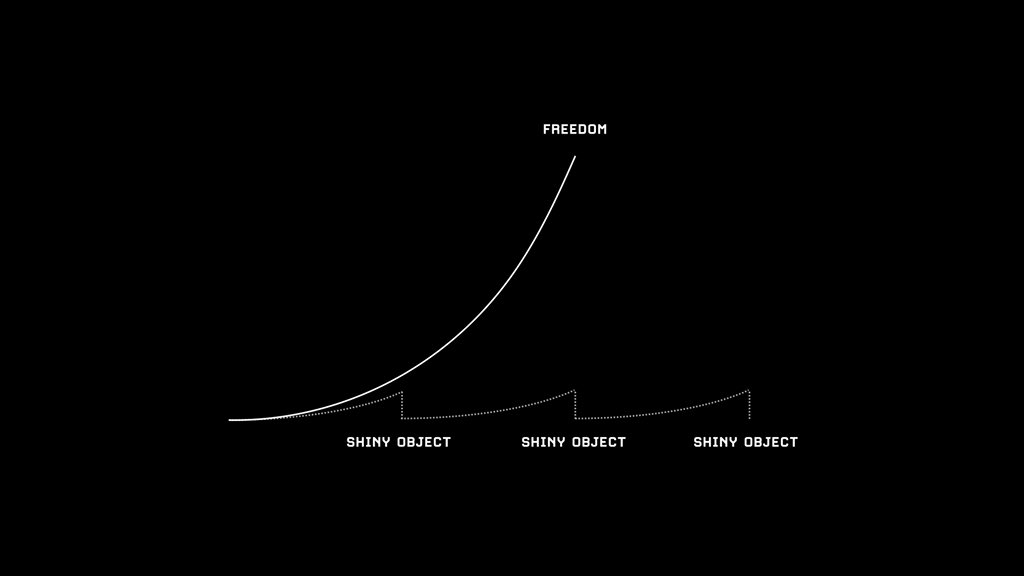
Resist the urge to keep building. Resist the comfort of the workshop. The thing you're avoiding is the thing that matters most.
Build until you can sell once, iterate until you can sell twice.
— @jackbutcher
Build until you can sell once. That's the threshold. Everything before that sale is a hypothesis. Everything after it is a business.
Build or be billed.
— @jackbutcher
If you aren't going to sell, don't build. Build distribution. Then build whatever you want.
Build Once, Sell Twice
Turn expertise into products. 55 free lessons.
Visuals
View All
Keep reading
All Articles
Package the Transformation, Not the Feature: How to Sell What You Build
People don't buy products. They buy transformations — from stuck to unstuck, from slow to fast, from confused to clear. Stop listing features. Start selling outcomes.

Build Proof, Not Products: Why Showing Your Work Beats Shipping Features
In the AI era, anyone can ship a product. What you can't fake is proof of work — the public trail of thinking, building, and learning that earns trust.

The Prompt Is Not the Hard Part: Why Knowing What to Build Matters More
Anyone can prompt AI to build an app. The hard part is knowing what's worth building, who it's for, and why they should care. Judgment beats execution.