One Customer Changes Everything: Stop Building for Hypothetical Users
By Jack Butcher

You have 10,000 hypothetical users and zero real ones.
The hypothetical users love your product. They use it every day. They tell their friends. In your head, the business is already working.
In reality, no one has paid you a dollar.
A tiny goal that will change your life: Make $1 on the internet.
— @jackbutcher
The Psychology of the First Dollar
One dollar changes everything. Not because of the revenue — because of the proof. Someone saw your work, understood it, and decided it was worth exchanging money for it. That single transaction contains the entire DNA of a business.
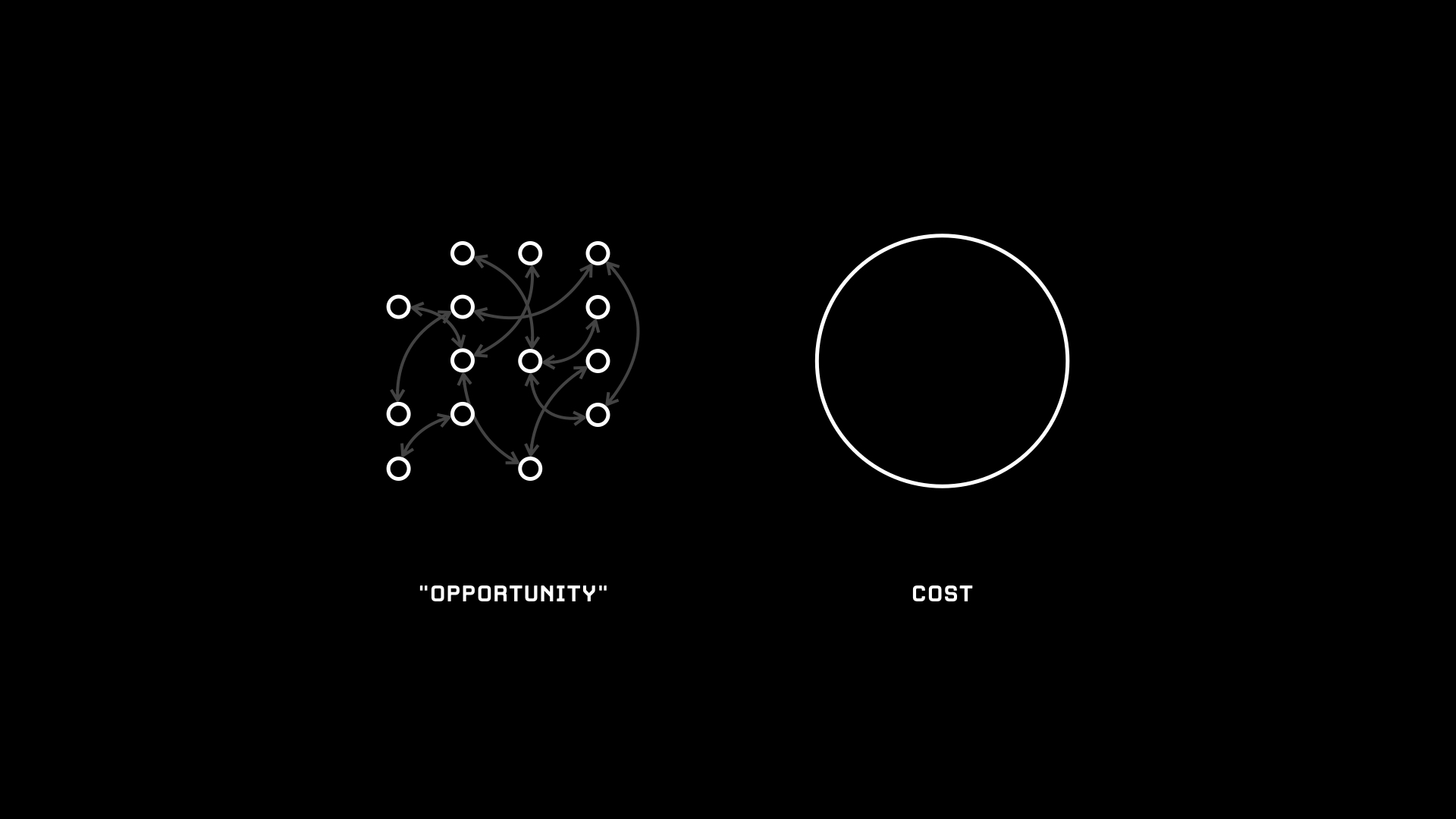
Give so much away people insist on paying you.
— @jackbutcher
Validate Before You Build
The internet makes it possible for you to validate a business idea before you: - Choose a name - Build a website - Sign a lease - Hire anyone - Risk anything
— @jackbutcher
AI made it so easy to build that people skip validation entirely. Why validate when you can just build the thing? Because building the wrong thing costs something worse than money — it costs time and belief.
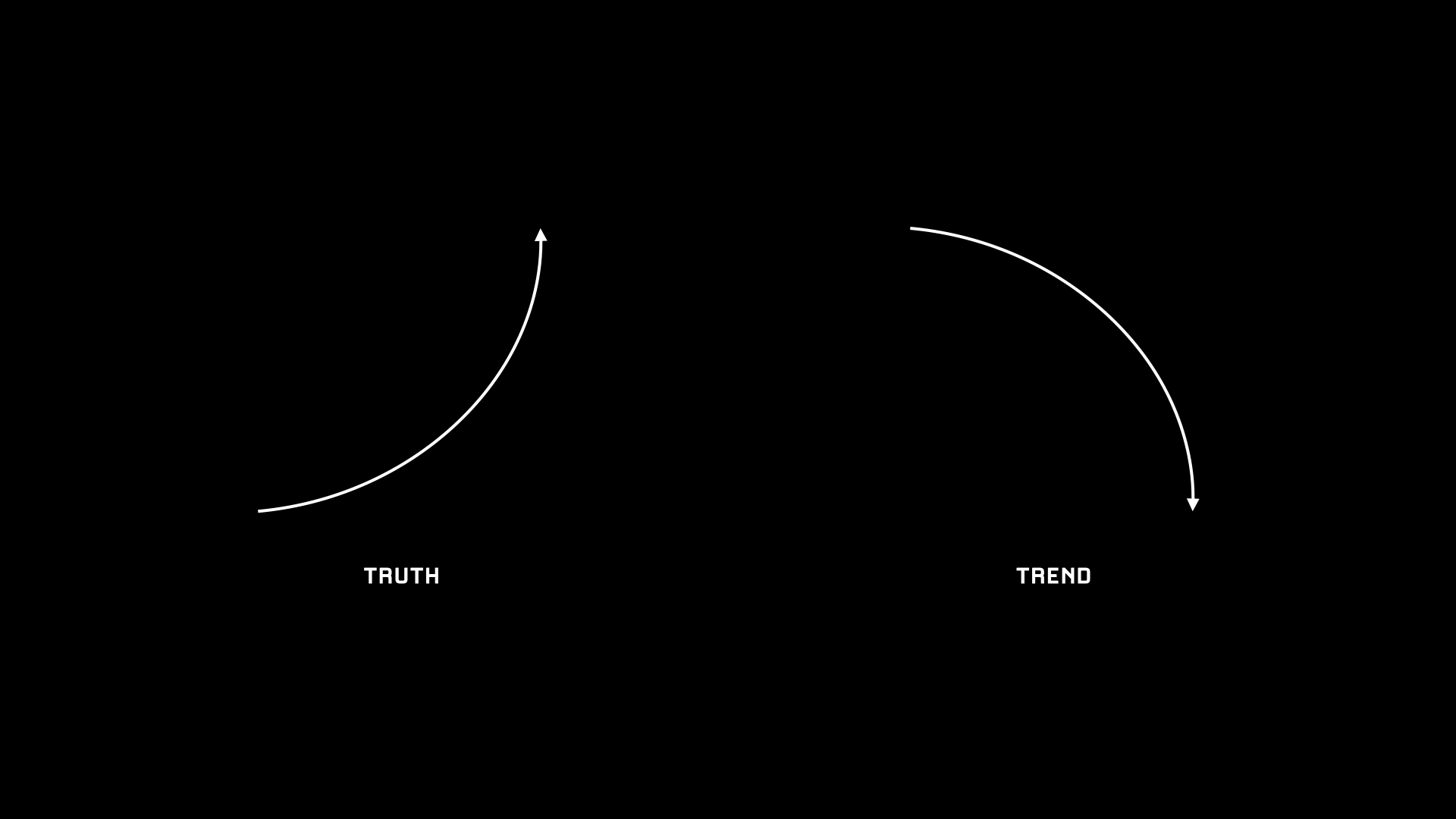
Observation: Customers that pay more, complain less.
— @jackbutcher
Stop building for hypothetical users. Find one real one. Everything changes after that.
Build Once, Sell Twice
Turn expertise into products. 55 free lessons.
Visuals
View All

Keep reading
All Articles
Building vs. Betting
Over long periods of time, building and betting can both be positive-sum games.

Code Is Cheap. Conviction Is Expensive. The Real Cost of Building in the AI Era
AI made code nearly free. But the willingness to commit to an idea, face rejection, and keep going? That still costs everything. The new scarce resource isn't technical skill — it's conviction.

The Vibe Coder's Trap: Why Building Without Selling Is Expensive Journaling
Vibe coding feels like progress. Ship an app, start another, ship again. But building without selling is just expensive journaling. The trap is mistaking motion for progress.