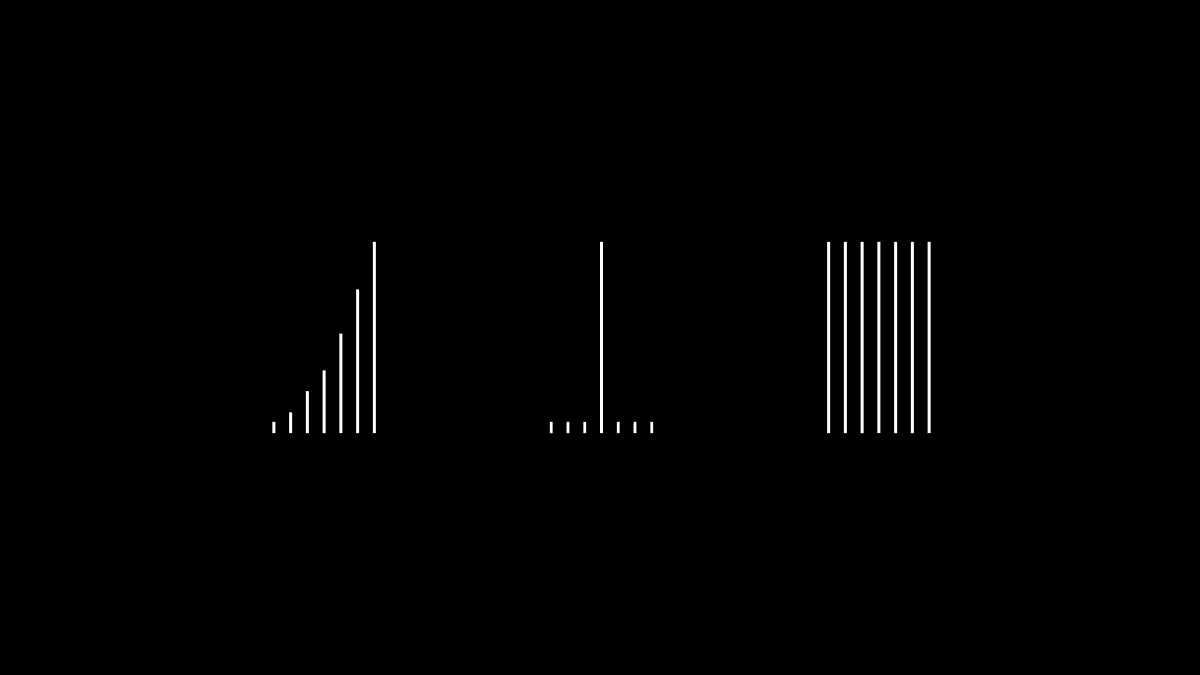
Work, Luck, Play
Three works examining how value is produced, how chance is engineered, and what happens when those two ideas collide in a room full of strangers.
Work is effort. Luck is chance. Play is both.
A three-part exhibition at Art Basel Hong Kong, presented by SILK. Work makes the migration of labor physical. Luck makes the engineering of chance visible. Play turns both ideas into an experience.
Together they articulate a single idea: the most valuable commodity is not the favorable outcome — it is the design of the game itself, and the connections that happen when people choose to play it.
Work
The migration of labor made physical. Abstraction cast in solid silver.
Luck
The engineering of chance made visible. Six objects that look like dice but are not.
Play
Both ideas experienced rather than observed.
Work
When labor becomes invisible, what do we value?
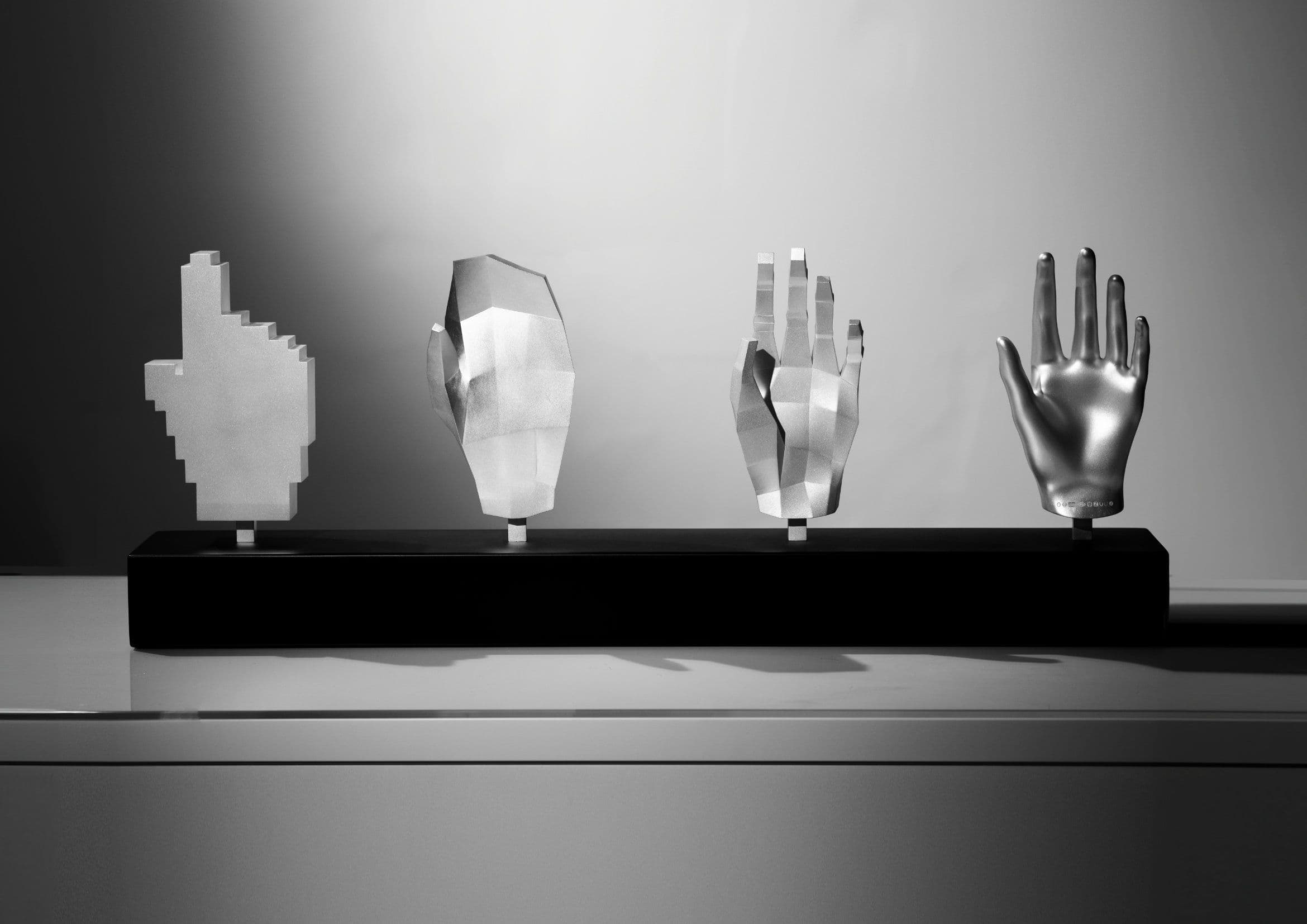
Four hands cast in silver. The sequence moves from a classical human hand to a pixelated cursor. Physical craft to digital abstraction. As work migrates from body to screen, visibility decreases. The scale of consequences increases.
The first hand is high-fidelity. Classical. The last is a pixelated cursor from early Macintosh. Between them, two stages of abstraction. The progression is deliberate: work moves from body to screen, effort becomes invisible, and consequences get larger.
All four hands are cast in pure silver at Asprey Studio. The first bears two newly registered hallmarks from the UK Assay Office. Hallmarks go back centuries — a guarantee that this object met a standard, that human institutions verified its origin.
The paradox is the point. As intelligence approaches zero marginal cost, the things that resist replication become more valuable: physical objects, scarce materials, verified craftsmanship. Proof that a human made this, that it took time, that shortcuts were not available.
A sculpture about the disappearance of work, made through intense, visible, human work. Silver is scarce. You cannot download it. You cannot generate it with a prompt.
Luck
What happens when you remove chance from the outcome?
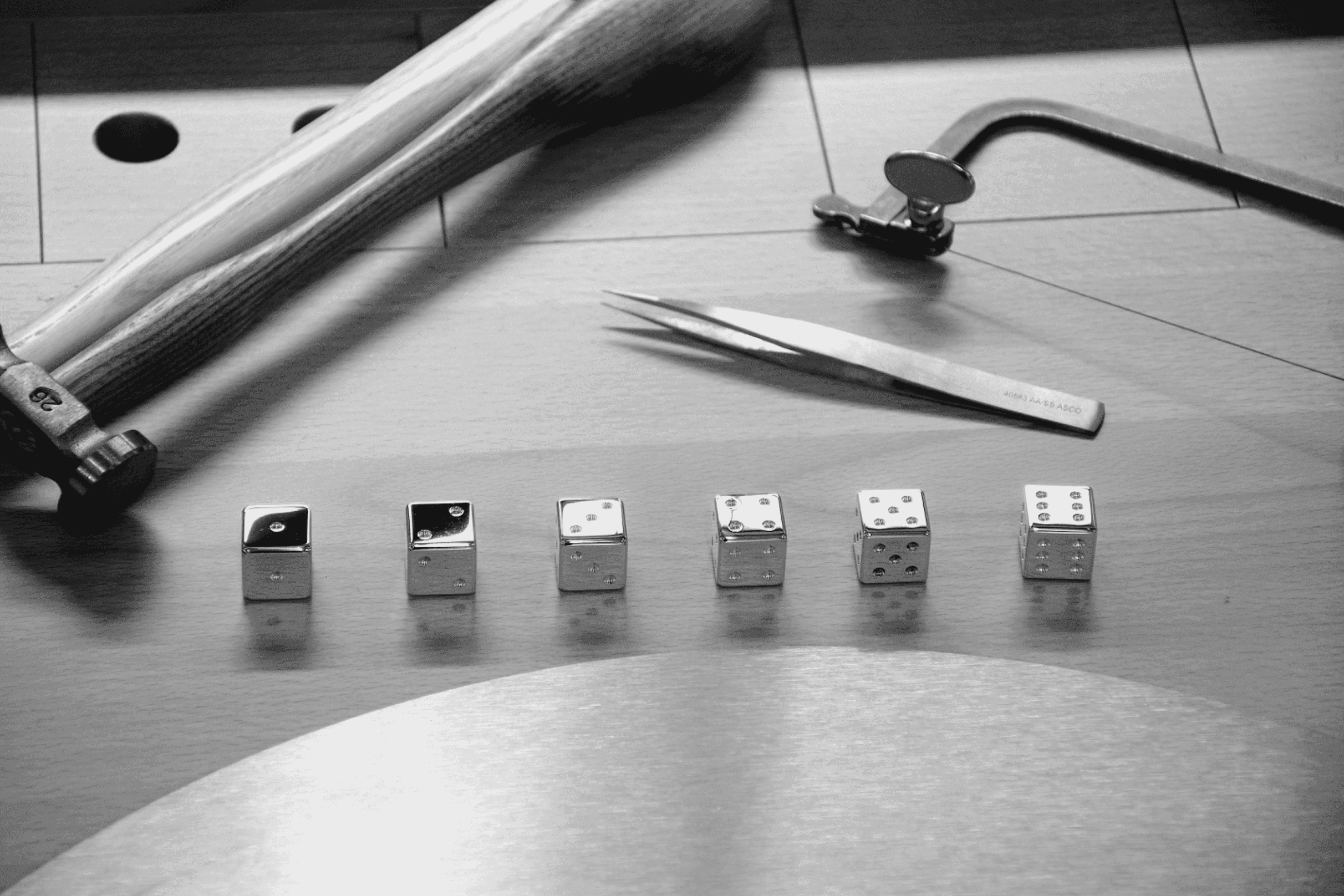
Six dice. Every face shows the same number. Roll the one and you get one. Roll the six and you get six. Every time. Forever. Variance has been removed entirely.
These are not dice. They are certainty engines disguised as probability tools — the appearance of chance without the substance.
Entire industries are built on this. Brand value is a tax on cognitive laziness. Interchange fees are a tax on payment friction. Insurance renewals are a tax on inertia. None of these survive perfect optimization.
Many outcomes attributed to chance are structured in advance. The sculpture does not argue good or bad. It makes it physical: six objects that look like dice but are not. The form is preserved. The function is removed.
Dice that show only sixes are not lucky. They are inevitable. The outcome is known before the roll. That is what optimization does — it removes the variance. Variance is where the value was hiding.
Luckiest
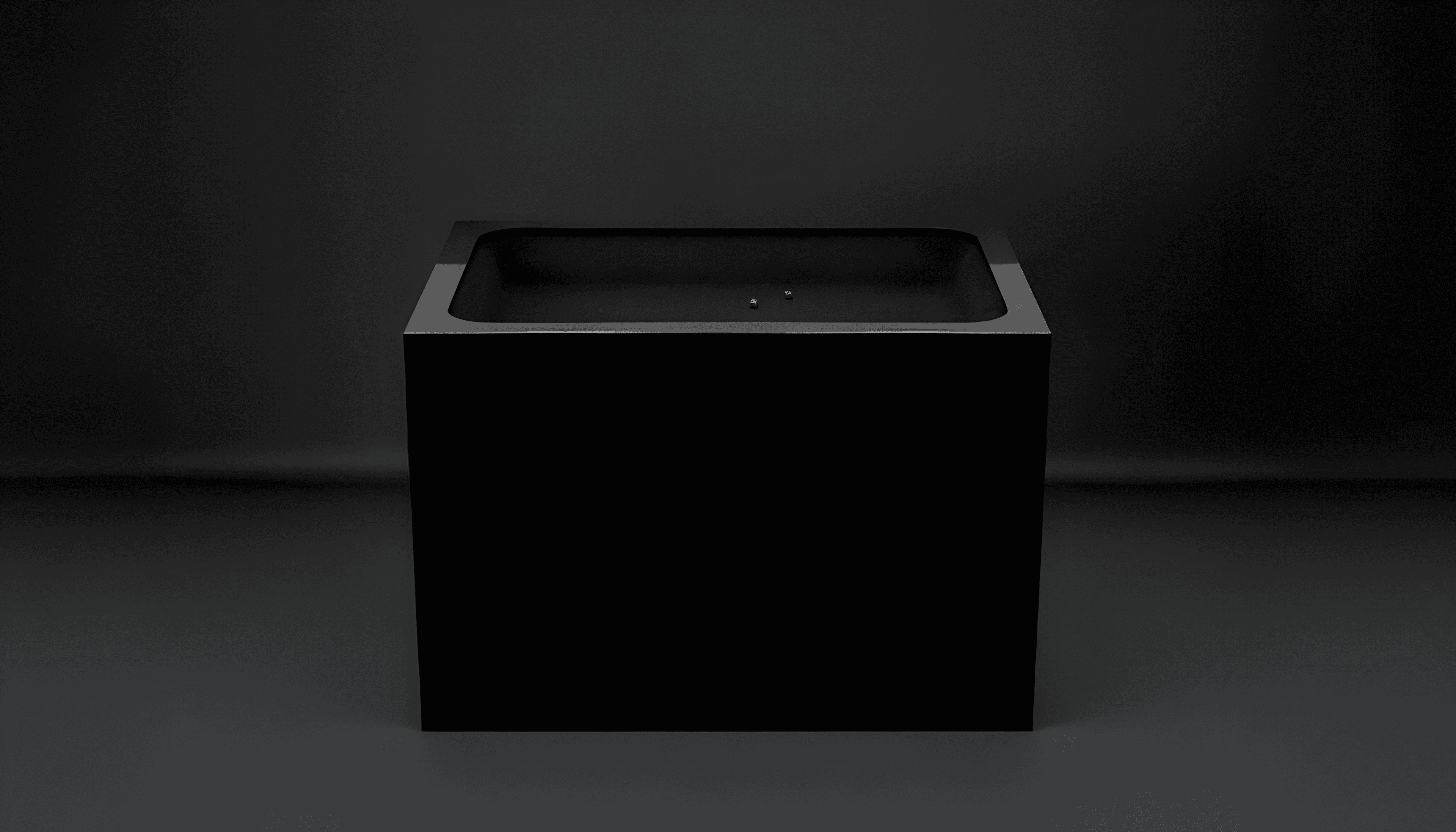
Every visitor who rolls a set of dice generates an outcome. That outcome is produced twice: once for the participant, once for the archive. The second copy goes into a transparent container displayed alongside a complete silver set.
Over three days, the container fills. Numbers repeat and cluster; the distribution takes shape as a physical fact authored by the crowd. By the close of the fair, the 1/1 holds a complete record of lived probability — every roll, every outcome, every configuration chance produced during Art Basel Hong Kong 2026.
Luckiest comes with its own silver set of Luck and the original dice table produced especially for the fair.
The silver set holds all possible outcomes in permanent form. The 1/1 holds what actually occurred. It is the fair's own memory, cast in resin and glass.
Play
What is the value of a reason to connect?
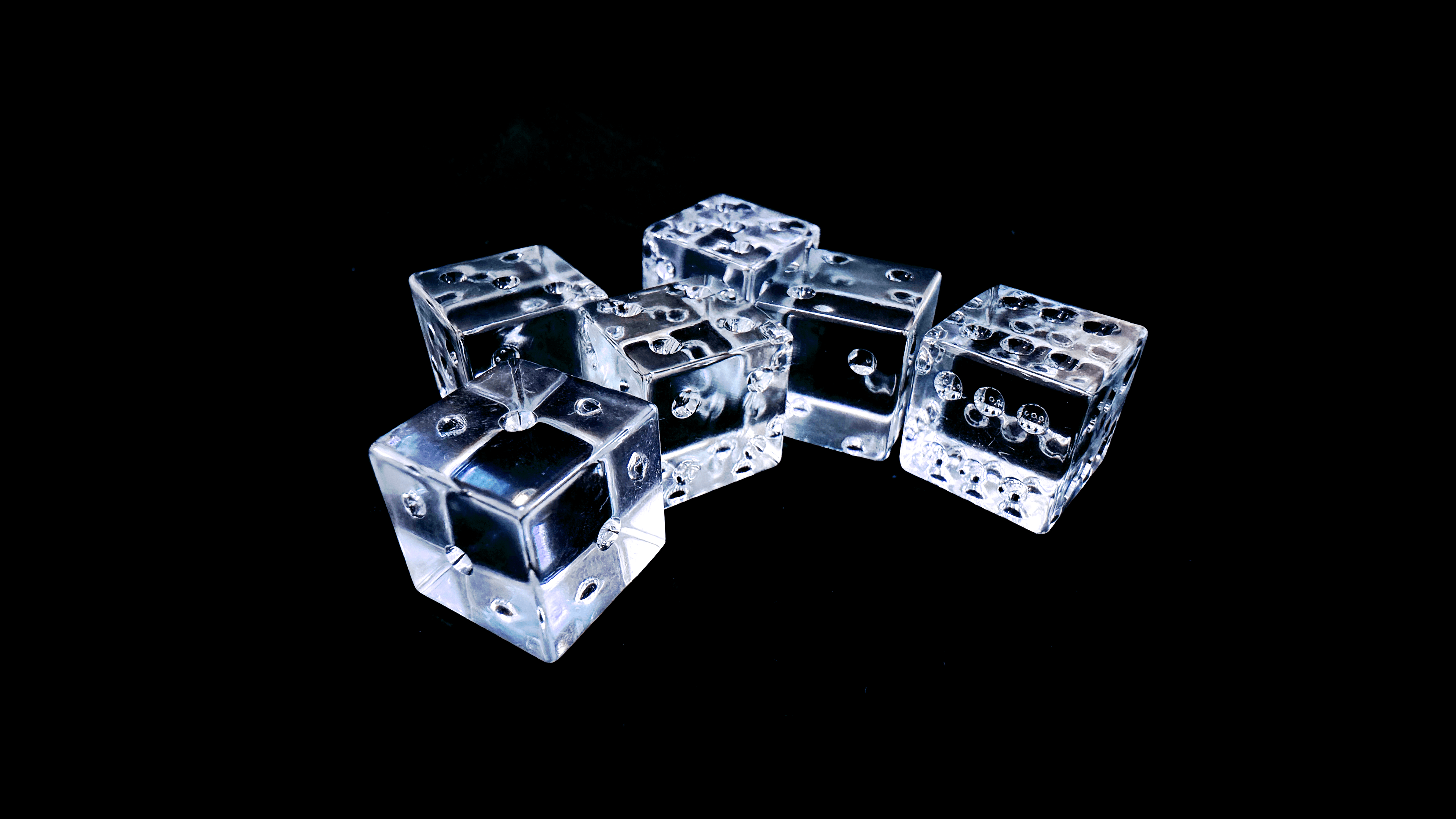
You roll regular dice and receive the corresponding resin set. Duplicates, gaps, and all. You might get three fours and no six. You might get a perfect sequence. The roll determines the collection.
Work and Luck converge. Six dice cast in transparent resin, each one fixed, every face the same number — just like the silver set. Silver is opaque; resin is transparent. Both sets are predetermined. The difference is the selection: Luck is a complete, ordered set; Play is assembled at random. The objects are certain. The combination is not. You can trade with strangers to improve your set. That is the work.
Both sets are predetermined. Every face the same number. The difference is assembly. Luck is a perfect sequence in silver. Play is a random combination in resin. Same objects. Different rules.
Roll
Roll regular dice at the booth. Your result determines which six resin dice you receive — duplicates, gaps, and all.
Trade
Find other participants across the fair. Trade dice to improve your set. Everyone needs what they do not have.
Complete
Assemble a perfect 1 through 6 sequence. Return it to the booth. Receive a signed set.
Keep
Take home whatever you end up with — a random set, a traded set, or a signed set. The combination is yours.
Play puts both ideas back into motion. Real chance determines which dice you get. Real effort to trade your way to a perfect set. A complete sequence earns a signed set — most will not get one by chance alone. That is why you trade.
Opepen Set
2026 · Video · Ethereum
The Play set brings the physical dice project onchain. Opepen is an art protocol where 16,000 tokens are divided into curated sets; collectors opt in, and when a set is revealed, opted-in tokens are permanently assigned that artwork. Six edition tiers (1/1, 4, 5, 10, 20, 40). Same structure. Same logic.